
South Wales Visitor Info
Everything worth knowing before a trip to South Wales: where the region is, when to come, what the weather does, and what to expect when you arrive.
Where is South Wales?
South Wales is the southern region of Wales, occupying the country’s southern coastline and the land immediately inland from it. It sits directly west of the English city of Bristol, separated from England by the River Severn, and is the most populated part of Wales. Cardiff, the Welsh capital, along with Swansea and Newport are all here, and well over half the Welsh population lives in the region.
Getting here from England is straightforward. The M4 motorway runs from London through Bristol and across the Severn into South Wales, and the crossings have been free since 2018. Cardiff is under two hours from London by direct train.
What counts as South Wales?
There is no single official boundary for South Wales, which is why different guides cover slightly different areas. Our patch runs from Chepstow in the east, on the border with England, west as far as Tenby, and north up to Brecon and the Brecon Beacons National Park.
We include Tenby even though it is usually classified as West Wales. It sits on the same southern coastline, most people visiting the region from England or further afield will pass through South Wales to reach it, and it is one of the best places on this coast. It felt wrong to leave it out on a technicality.
Within that area you will find the capital city of Cardiff and the cities of Swansea and Newport, the former mining valleys running north from the coast, the Glamorgan Heritage Coast and the Gower Peninsula, and the mountains and moorland of the National Park. The whole region is compact. You can drive from Chepstow to Swansea in around an hour and a half, and from the coast to the top of the National Park in well under an hour, which means you can base yourself in one place and see a great deal. There is more on how long to allow in our guide to planning your visit.

When is the best time to visit South Wales?
There is no bad time to visit South Wales, but there are trade-offs.
Summer, from June to August, gives you the longest days, the warmest sea and the fullest programme of festivals and events. It is also when the beaches, car parks and accommodation are busiest and most expensive, particularly during the Welsh school summer holidays, which typically run from around the third week of July to the end of August. If you are visiting in August, book accommodation well ahead and get to popular beaches early.
Late spring, in May and early June, is arguably the best of it. The days are long, the countryside is at its greenest, coastal paths are lined with wildflowers, and the crowds have not arrived. Sea temperatures are still cold, but everything else is in your favour.
September and early October are the other sweet spot. The sea is at its warmest of the year after a summer of heating, the light on the coast is superb, prices drop after the school holidays end, and the weather is often more settled than in high summer.
Winter, from November to February, is quiet, cheap and atmospheric. Days are short and some seasonal attractions close or reduce hours, but the coast in winter is dramatic, the Christmas markets and light trails are a genuine draw through December, and you will have the walking routes largely to yourself.
Spring, in March and April, brings daffodils, the national flower, and the Easter holidays, when family attractions across the region open up their seasonal programmes.
What’s the weather like in South Wales?
South Wales has a mild, wet maritime climate. Temperatures are moderate year-round, it rarely gets very hot and rarely gets very cold, and rain is possible in any month.
Summer daytime temperatures typically sit in the high teens to low twenties Celsius, occasionally higher during a warm spell. Winter daytime temperatures are usually a few degrees above freezing to around ten degrees, and snow at low levels is uncommon and rarely lasts, though the tops of the Brecon Beacons do get snow most winters.
The practical advice, and every local will tell you the same thing, is to bring layers and a waterproof whatever the forecast says, and to have an indoor option in reserve. The weather here changes quickly, and it can be raining on the coast and dry in the valleys thirty minutes inland, or the other way round. It also means you should not write off a day because the forecast looks poor in the morning.
For an actual forecast for the days you are travelling, the Met Office covers Wales in detail and is the most reliable source.

Do people speak Welsh in South Wales?
Everyone in South Wales speaks English, so you will have no difficulty communicating anywhere in the region.
Welsh is an official language of Wales and you will see it everywhere, as all road signs and public signage are bilingual, and public bodies operate in both languages. The proportion of Welsh speakers is lower in the south-east of the region than in west and north Wales, but Welsh-medium education has grown substantially and you will hear the language spoken, particularly in the west of our patch and in the valleys.
You do not need to learn any Welsh to visit, but a couple of words are always well received. Bore da is good morning, diolch is thank you, and croeso is welcome. You will see that last one on signs as you cross into the country.
Money, opening hours and practical tips
Wales uses the pound sterling, the same currency as the rest of the United Kingdom, and there is no separate Welsh currency. Card payment is accepted almost everywhere, including on buses and at most car parks, though carrying some cash and coins is genuinely useful at rural and coastal car parks where the signal is poor.
Shops in cities and larger towns generally open through the week with reduced Sunday hours. In smaller coastal towns, particularly outside the summer season, opening hours shorten considerably and some businesses close entirely for the winter, so if you are travelling out of season and have somewhere specific in mind, it is worth ringing ahead.
Attractions in Wales are generally open on bank holidays, and often busiest then. Christmas Day is the main exception, when almost everything closes.
Whether you need a car depends entirely on where you are heading, and our guide to getting around South Wales covers it in full.
Accessibility in South Wales
Accessibility across South Wales varies with the terrain, which is unavoidable given the landscape. The cities and larger towns are broadly accessible, with step-free access at major railway stations, accessible buses across the region and Blue Badge parking widely available.
Along the coast, promenade access at Swansea Bay, Barry Island, Porthcawl and Tenby means you can get to the seafront easily. Several Gower and Heritage Coast beaches require a walk down a path or steps from the car park, sometimes a steep one. Beach wheelchairs are available for loan at some Welsh beaches, usually needing to be booked in advance through the relevant council or beach operator.
Many castles and historic sites have limited access to upper levels by their nature, but most have accessible grounds and ground-floor exhibitions. It is always worth checking directly with an individual attraction, as provision differs considerably from site to site, and we note what we know on individual listings.
Don't miss the highlights
History
If you're looking for history then South Wales has this in abundance. With around 100 castles here, either still standing or in ruins, you'll find hundreds of years of history in every direction. You can also explore the much more recent past taking in the heritage sites from the industrial Valleys, as well as Wales' national museums which are all free to enter.
Nature
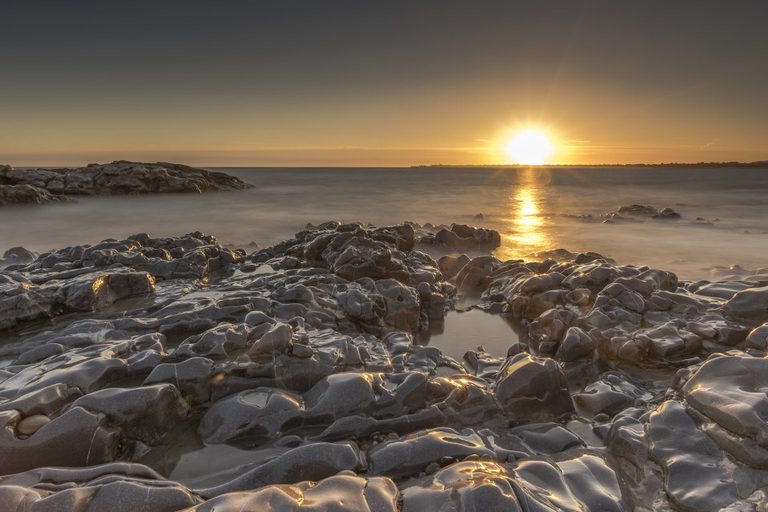
From the sound of waves crashing against the cliffs to beaches of all shapes & sizes, the South Wales coast is a magical place for exploring, either for peaceful walks or exciting family trips. Heading inland you'll find rivers, waterfalls, mountains, rolling hills, and a National Park, providing an always-changing backdrop to enjoy days out.
Start planning your visit
Now you know where South Wales is, when to come and what to expect when you get here, the next step is working out what to do with your time. Our plan your visit guide covers suggested itineraries, where to base yourself and how to get here and around.
South Wales Guide is an independent guide to the region, and you can read more about us if you would like to know who is behind it.

Free Days Out
Inspiration for free days out in South Wales, from beaches to walks, as well as free attractions to have amazing experiences on a budget.

Getting Here
How to get to South Wales by train, road, coach, air and ferry, with journey times, airport transfers and why the Severn road bridges are now free.

Accommodation
From weekends away to family holidays, romantic escapes and unique stays, there are so many places to stay in South Wales to suit every taste and budget.

Activities
Adventure awaits in South Wales with a huge variety of activities for you to experience, from archery, boat trips, climbing... all the way through to zip lines!

Inspiration
If you're looking for inspiration for days out in South Wales then check out our blog for some great ideas of things to do, from nature to thrills, the best nights out and plenty more!
Frequently asked questions
- What is the best time of year to visit South Wales?
Late spring and early autumn are the best times to visit South Wales. May and early June give you long days, green countryside and few crowds, while September offers the warmest sea temperatures of the year and lower prices after the school holidays. July and August are warmest and busiest, and winter is quiet and atmospheric with Christmas markets and dramatic coastal walks.
- What’s the weather like in South Wales?
South Wales has a mild, wet maritime climate with rain possible in any month. Summer daytime temperatures typically sit in the high teens to low twenties Celsius, and winter daytime temperatures from a few degrees above freezing to around ten. Snow at low levels is uncommon, though the tops of Bannau Brycheiniog get snow most winters. Bring layers and a waterproof whatever the forecast says.
- Do you need to speak Welsh to visit South Wales?
No. Everyone in South Wales speaks English and you will have no difficulty communicating anywhere in the region. Welsh is an official language of Wales and all road signs and public signage are bilingual, so you will see it constantly, but no visitor needs to speak it. Learning a couple of words such as diolch (thank you) is always appreciated.
- Is South Wales expensive to visit?
South Wales is generally one of the better-value destinations in the UK. The national museums are free to enter, all beaches are free to access and the National Park is open access, so a large proportion of the best things to do here cost nothing beyond parking. Accommodation and eating out are typically cheaper than in southern England, though prices rise sharply in coastal towns during the Welsh school summer holidays.
- Is South Wales the same as the Valleys?
No. The South Wales Valleys are one part of South Wales: the series of former coal-mining valleys running north from the coastal plain, including the Rhondda, Cynon, Taff and Rhymney valleys. South Wales as a whole also takes in the coastal cities of Cardiff, Swansea and Newport, the Glamorgan Heritage Coast, the Gower Peninsula and the mountains of Bannau Brycheiniog National Park.
- Is South Wales worth visiting?
Yes, and it is one of the better-value parts of the UK to visit. In a single day you can walk on a beach, stand inside a Norman castle and be on a mountain, with none of those journeys taking more than an hour. The national museums are free, every beach is free to access and Brecon Beacons National Park is open access, so much of what makes the region worth visiting costs nothing beyond parking.
Stay up to date
Sign up for the South Wales Guide newsletter to receive inspiration in your inbox for days & nights out, offers, competitions, trip planning ideas, and plenty more!
